


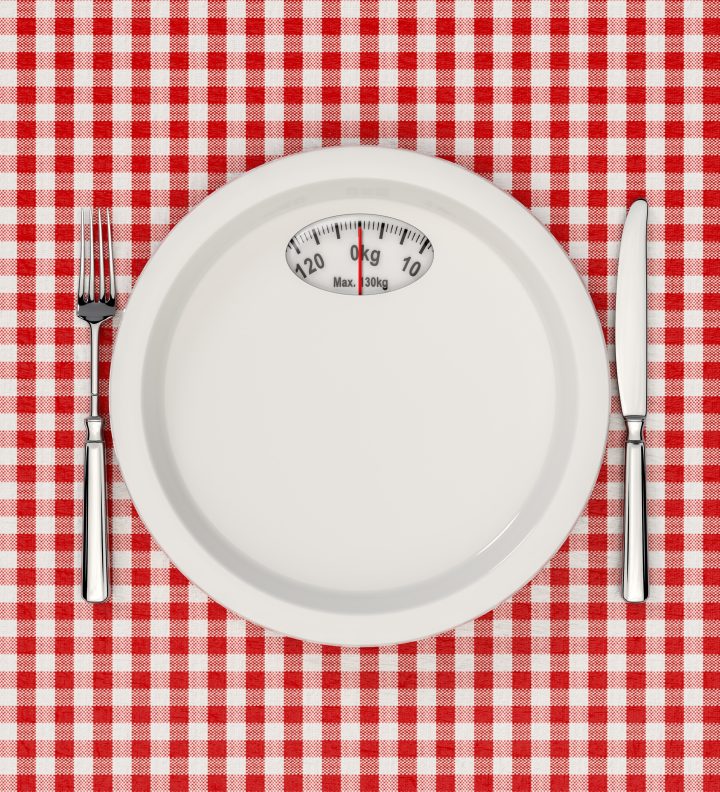
Like many of you, I have always been on the lookout for sustainable ways to manage my weight and improve my overall health. One of the biggest lessons I learned is that a calorie deficit can be an effective way to lose weight without turning your entire lifestyle upside down.
As an active person, I realized that I did not need to crash diet. In my case, removing excess snacks and sweets, then focusing more on whole, high-quality foods and protein, was enough to make a meaningful difference. I was still eating satisfying meals, but I was cutting back on the calories that had been adding up without me noticing.

That experience changed how I think about weight loss. It is less about eating as little as possible and more about understanding your habits, eating better, and making deliberate choices. I am happy to guide you through the basics of starting your own calorie deficit journey.
A quick health note: This guide is intended as general information for adults. Calorie needs vary, and online calculators only provide estimates. Speak with a registered nutritionist-dietitian or another qualified healthcare professional before making major dietary changes, especially if you are pregnant or breastfeeding, are under 18, have a medical condition, take medication that affects your weight or appetite, or have a history of disordered eating.
1. Understand what a calorie deficit means
A calorie deficit happens when you consistently consume less energy than your body uses. Your body then draws on stored energy, which can lead to weight loss over time.
The key word is consistently. Your intake and activity will naturally vary from day to day, so it is more useful to look at patterns over a few weeks than to worry about one meal or one imperfect day.
2. Estimate your maintenance calories
Your maintenance calories, also called total daily energy expenditure or TDEE, are the estimated calories you need to maintain your current weight. Age, body size, sex, activity level, and individual metabolism can all affect this number.
Adults age 20 and older can use the calculator below as a starting point. It uses the Mifflin-St Jeor equation to estimate resting energy needs, then applies a conventional activity factor. A systematic review found that this equation performed better than several other common resting-energy equations in the populations studied, but it also found meaningful individual errors and limits across age and ethnic groups. The activity factor adds more uncertainty, so the result is not a diagnosis or a guaranteed target.
Maintenance Calorie Calculator
Estimate your daily maintenance calories and see three example deficit levels.
Your estimated daily calories
Your height and weight produce a BMI screening result below 18.5. A calorie deficit may not be appropriate. The calculator is showing maintenance only. Please speak with a qualified healthcare professional before trying to lose weight. BMI is a screening measure and does not diagnose health.
Treat these numbers as planning estimates, not prescriptions. Your actual maintenance needs may be higher or lower. Track your trend for a few weeks, then adjust gradually or seek personalized guidance from a qualified professional.
If you prefer a more detailed external planner, the NIH Body Weight Planner can model changes in calorie intake, physical activity, and weight over time.
3. Choose a modest deficit
Once you have a maintenance estimate, choose a deficit you can sustain. There is no single deficit that is right for everyone. Some people use roughly 300 to 500 calories per day, or about 10% to 20% below estimated maintenance, as a practical starting range. These are rules of thumb, not universal medical recommendations. The right amount depends on your body size, health, activity, and goals.
A bigger deficit is not automatically better. Rapid loss can be harder to sustain, and weight change will not follow a perfectly straight line. The CDC recommends gradual, steady weight loss and notes that people who lose weight at a steady pace are more likely to keep it off.
From my experience, the goal is to eat better, not simply to eat less. If you are already active, you may find that removing frequent snacks, sweets, sugary drinks, or other extras creates much of the deficit you need. That will not be true for everyone, so check your own intake and progress instead of assuming.
4. Prioritize protein
Protein is especially useful during a calorie deficit. A systematic review found that higher protein intake may improve fullness or satiety in people with overweight or obesity. It may also help preserve lean mass, particularly when paired with resistance training. Evidence varies by population and diet, so this is a helpful principle rather than a guarantee. Another systematic review and meta-analysis found that protein intake above the standard recommended allowance can support lean-mass retention during energy restriction or resistance training.
Try including a protein source in each meal, such as fish, chicken, eggs, lean meat, tofu, beans, yogurt, or milk. Your ideal intake is personal, so consult a registered nutritionist-dietitian if you want a target tailored to your body and training.
5. Eat nutrient-dense foods
Build most of your meals around vegetables, fruit, rice or other grains and root crops, lean protein, and moderate amounts of healthy fats. These foods provide more than calories. They also supply protein, fiber, vitamins, and minerals.
For a simple local guide, use DOST-FNRI’s Pinggang Pinoy. It shows practical proportions for Go, Grow, and Glow foods. Sugary drinks and highly processed snacks can still fit occasionally, but they are easy to overconsume and may be less filling.
6. Monitor portion sizes
Food quality matters, but portions matter too. Even nutritious foods can push you out of a calorie deficit when the portions are larger than you realize. Read food labels, measure calorie-dense ingredients such as oil and sauces, and consider using a digital kitchen scale while you learn what common portions look like.
When I started, I used a food scale to understand how much I was actually eating. That helped me see where the excess calories were coming from. I do not weigh everything now. Once I understood my habits, I could focus on the changes that mattered most for me, especially cutting unnecessary snacks and sweets.
I found a simple digital food scale on Lazada for P159 at the time of writing. Prices and availability can change.
7. Stay hydrated
Drink enough water throughout the day, especially when you exercise or spend time outdoors in hot weather. Water supports normal body function, and choosing it instead of sugar-sweetened drinks is a simple way to reduce calories without shrinking your meals.
8. Factor in physical activity
Exercise increases the calories you use and offers health benefits beyond weight loss. Walking, running, cycling, dancing, and other aerobic activities can improve fitness, while strength training helps you maintain or build muscle.
The World Health Organization recommends that adults aim for 150 to 300 minutes of moderate aerobic activity per week, or 75 to 150 minutes of vigorous activity, plus muscle-strengthening activities on at least two days per week. If you are currently inactive, start with an amount you can manage and build up gradually.
9. Track and adjust
Use a food-tracking app, a food scale, or a simple journal to monitor your intake. Tracking is not required forever. I think it is most valuable at the beginning, when it can teach you which foods and portions contribute most to your daily calories and where you tend to eat in excess. Once you understand those patterns, you may be able to use simpler habits instead of logging every meal.
Popular options include:
Food databases and restaurant entries can contain errors, so check the serving size and compare an entry with the nutrition label when possible. Research comparing commercial nutrition apps with a research database found that accuracy varied by app and nutrient.
10. Listen to your body
A calorie deficit should be manageable, not miserable. Persistent fatigue, dizziness, irritability, poor sleep, trouble concentrating, declining workout performance, or constant hunger may be signs that your plan is too aggressive or that you need professional guidance.
11. Plan ahead
Meal planning can be a game-changer. When you know what you will eat in advance, you are less likely to rely on impulsive choices when you are tired or hungry.
You do not need to prepare every meal for the whole week. Even planning tomorrow’s breakfast and lunch, keeping easy protein sources ready, or cooking an extra serving for later can make the plan easier to follow.
12. Seek support
A supportive community, coach, healthcare professional, or diet buddy can make the process easier. Share your progress, challenges, and practical tips with people who respect your goals and encourage sustainable habits.
Join the Pinoy Fitness Community on Facebook.
13. Reassess regularly
Your calorie needs can change as your weight, activity, and routine change. Look at your average weight trend over at least two to four weeks, not just day-to-day fluctuations. If your trend is not moving as expected, review your tracking and adjust your intake or activity gradually.
A calorie deficit also does not have to be permanent. One way to make it feel manageable is to treat it as a planned phase, such as four to eight weeks, and then reassess. After the deficit phase, you can return to estimated maintenance calories while keeping the healthier meals and habits you built.
Four to eight weeks is an example, not a guaranteed timeline. The amount of weight a person can reasonably lose in that time varies, and some goals will take longer. Stop sooner and seek professional guidance if the plan makes you feel unwell. The important point is that the deficit has a purpose and an end, while the healthier habits can continue.
Starting a calorie deficit takes preparation and patience. It is not simply about eating less. It is about making your food choices count, staying active, and choosing habits you can repeat. Start with an estimate, learn where you are eating in excess, monitor your real-world progress, and adjust without rushing.
Last updated: September 2026. This article is for general educational purposes and is not a substitute for individualized medical or nutrition advice.