



7 Pinoy Games We Wish We Could Play Again
Before smartphones, social media, and online games became part of everyday life, kids would simply go outside, meet their friends, and play until it was time to go home for dinner. Maybe there was even a quick call to a friend’s landline afterward before going to bed, already excited to do it all over again the next day.
Life felt a little simpler then, didn’t it?
Technology has definitely made our lives better in many ways, but sometimes it’s nice to remember the days when having fun meant running around outside, getting sweaty, and spending hours playing with friends.

So, let’s take a trip down memory lane and revisit some of the OG Pinoy childhood games we grew up with.
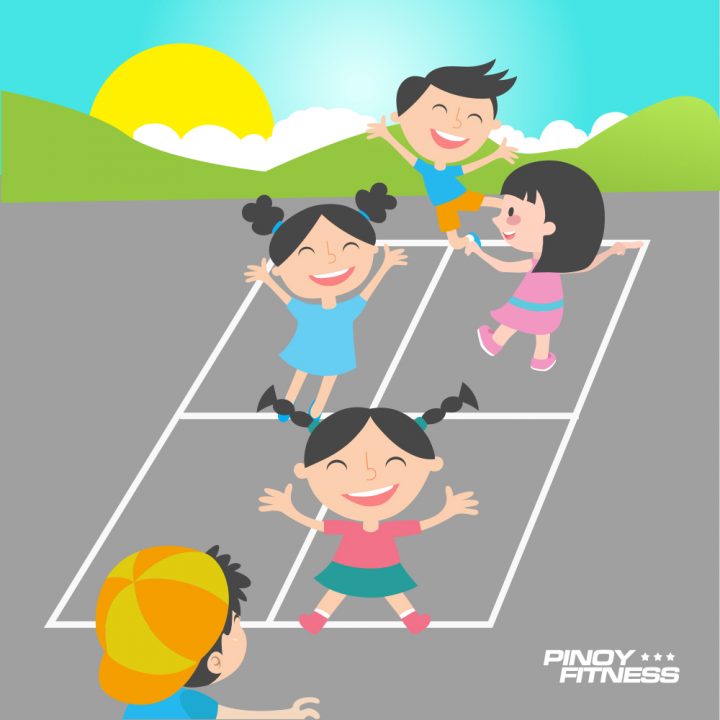
1. Patintero
Ah, yes. The ever-challenging Patintero. This game requires teamwork, speed, strategy, and plenty of agility. You’ll probably need a good game plan — and a towel to wipe off all that sweat!
Mechanics:
1. Divide the players into two teams: the guards and the passers.
2. Draw a rectangular grid on the ground and assign the guards to the different lines.
3. The guards can move only along their designated lines while trying to tag the passers.
4. The passers start behind the first line and try to cross the entire grid and make their way back without getting tagged.
5. A successful trip across the grid and back earns a point in many versions of the game.
6. Once a passer is successfully tagged, the teams usually switch roles. Exact scoring and court layouts may vary depending on the version you grew up playing.
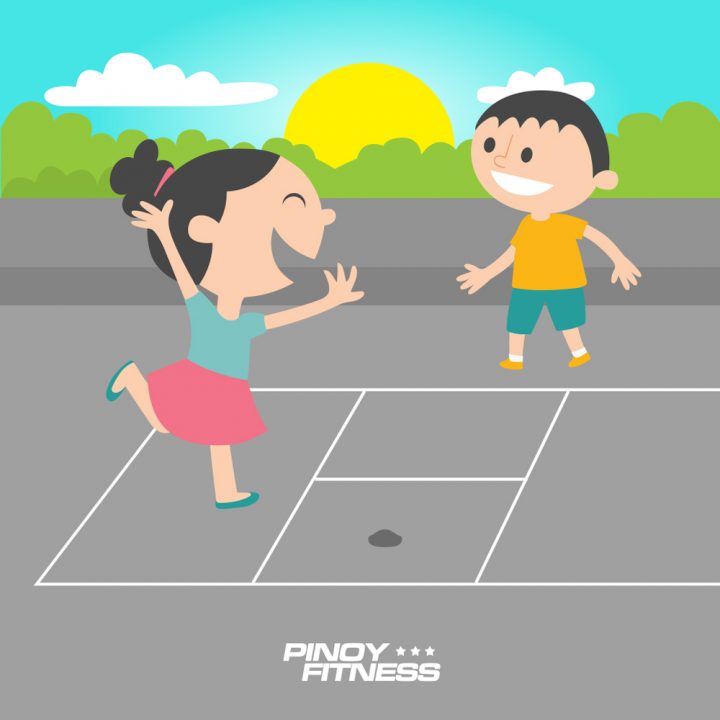
2. Piko
Piko may sometimes be mistaken as a game mostly for girls, but it’s really a game for everyone. All you need is balance, coordination, and some accuracy when throwing your pamato.
Mechanics:
1. Piko can be played alone or with several players.
2. Draw a numbered hopscotch-style diagram on the ground. The exact layout can vary depending on the version being played.
3. The first player throws a pamato — usually a flat stone, tile, or similar object — into the first numbered box.
4. The player hops through the course without stepping on the box containing the pamato or touching any of the lines.
5. Single boxes are usually crossed using one foot, while side-by-side boxes allow the player to land with one foot in each box.
6. After reaching the end, the player turns around and hops back, picking up the pamato before returning to the starting point.
7. If successful, the player throws the pamato into the next numbered box and repeats the sequence.
8. Stepping on a line, losing balance, or throwing the pamato outside the correct box usually ends the player’s turn.
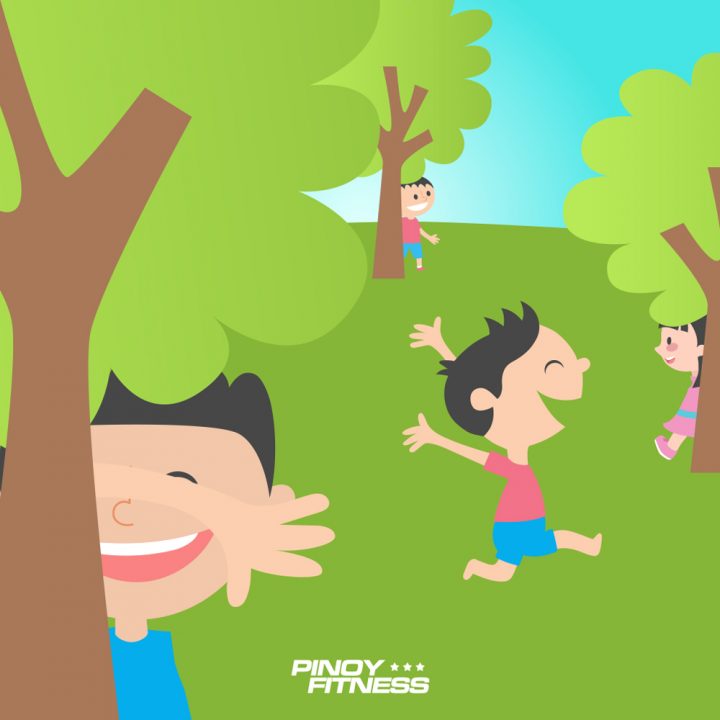
3. Tagu-taguan
An all-time classic, Tagu-taguan is our version of hide-and-seek. The game makes full use of whatever hiding places you can find — behind trees, walls, posts, or anywhere else the taya hopefully won’t look.
Here, stealth, speed, and creativity are your best friends!
Mechanics:
1. Choose who will be the first taya.
2. Choose a base, such as a tree, wall, or post.
3. The taya closes his or her eyes at the base and counts to an agreed number while everyone else hides.
4. After counting, the taya begins looking for the hidden players.
5. When the taya spots someone, the player’s name is called. In many versions, the taya must also reach or touch the base to officially catch that player.
6. Hidden players can save themselves by reaching the base before being caught.
7. Depending on your group’s house rules, the first player caught or the last player unable to save themselves becomes the next taya.

4. Ice-Water
Similar to a regular game of tag, Ice-Water adds a fun twist that requires more teamwork, strategy, and a whole lot of chasing. Again, an extra shirt might be a good idea for this one!
Mechanics:
1. Decide who will be the first taya.
2. Once the game begins, the taya chases the other players and tags someone while shouting, “Ice!”
3. A player who has been “iced” must freeze and stay in place.
4. Other active players can rescue a frozen player by tagging them and shouting, “Water!” The rescued player can then move again.
5. The goal of the taya is to freeze every player.
6. In one common version, once everyone has been frozen, the group shouts “Viva!” followed by an action, such as “Viva, sit!”
7. The last player to perform the action becomes the next taya.

5. Luksong Baka
Luksong Baka, which is often said to have originated in Bulacan, is our own progressively harder version of leapfrog. One player serves as the baka while everyone else tries to jump over them without falling or making unnecessary contact.
It may sound simple at first, but wait until the baka starts getting higher!
Mechanics:
1. Choose one player to become the first taya or baka.
2. The baka starts in a low, bent position, usually with the hands resting on the knees.
3. The other players take turns jumping over the baka. The hands may briefly touch the baka’s back to help with the jump.
4. Once everyone successfully clears the jump, the baka gradually raises their position to make the next round more difficult.
5. A player who fails to clear the jump, falls on the baka, or makes improper contact usually becomes the new baka.
6. For safety, play on a flat, open area with a softer surface such as grass whenever possible.
6. Sipa
Long before football tricks and juggling videos filled our feeds, we already had Sipa.
The goal sounds simple: keep the sipa in the air for as long as possible. Actually doing it is another story. The game tests your balance, coordination, control, and ability to apply just the right amount of force with every kick.
Mechanics:
1. Prepare a sipa. A classic homemade version uses a metal washer with strips of plastic or thread attached to it, while other versions use a woven rattan ball.
2. The player tosses or kicks the sipa upward and keeps it from touching the ground.
3. Each successful kick or hit is counted. Depending on the variation, players may use their feet, lower legs, or other allowed parts of the body.
4. Once the sipa touches the ground, the player’s turn ends and the final count is recorded.
5. The player with the highest number of successful hits wins.

7. Tumbang Preso
Personally, Tumbang Preso was one of my favorite childhood games. All you really needed was an empty can, a pair of slippers, and enough friends willing to spend the afternoon trying to knock that can down.
Mechanics:
1. Draw a small circle where the can will stand and a toe line several meters away.
2. Choose the first taya. One traditional method is for players to throw their slippers or pamato toward the toe line from near the can. The player whose pamato lands farthest from the line becomes the taya.
3. The taya guards the can while the other players line up behind the toe line.
4. Players take turns throwing their slippers or pamato at the can while staying behind the toe line.
5. If the can is knocked down, the taya must retrieve it and return it upright inside the circle before tagging a player.
6. While the can is down, players can run forward to retrieve their slippers and return safely behind the toe line.
7. If a player is tagged while trying to retrieve their pamato, that player becomes the new taya.
8. Other players can help someone who is stranded by knocking the can down again, giving them another chance to retrieve their slipper and escape.
Times may be different now, but that doesn’t mean these games have to disappear.
Whether you played them on the street, in the schoolyard, or outside your house until someone shouted that dinner was ready, these games were more than just ways to pass the time. They got us moving, taught us teamwork, and gave us memories long before we needed a screen to keep ourselves entertained.
And maybe it’s time to introduce them to the next generation, too.
Let’s keep our unique Filipino culture alive. Let’s bring back the PINOY in Fitness.
Share this with the people you’d love to play these games with again!






shatong game naman po
clip art